|
Stories from the Ground: 2026 outlook, new habitat banks,
infrastructure solutions, and more.
Stories from the ground
A round-up of what we've been building,
enabling and restoring across the Biofarm
network.
|
|
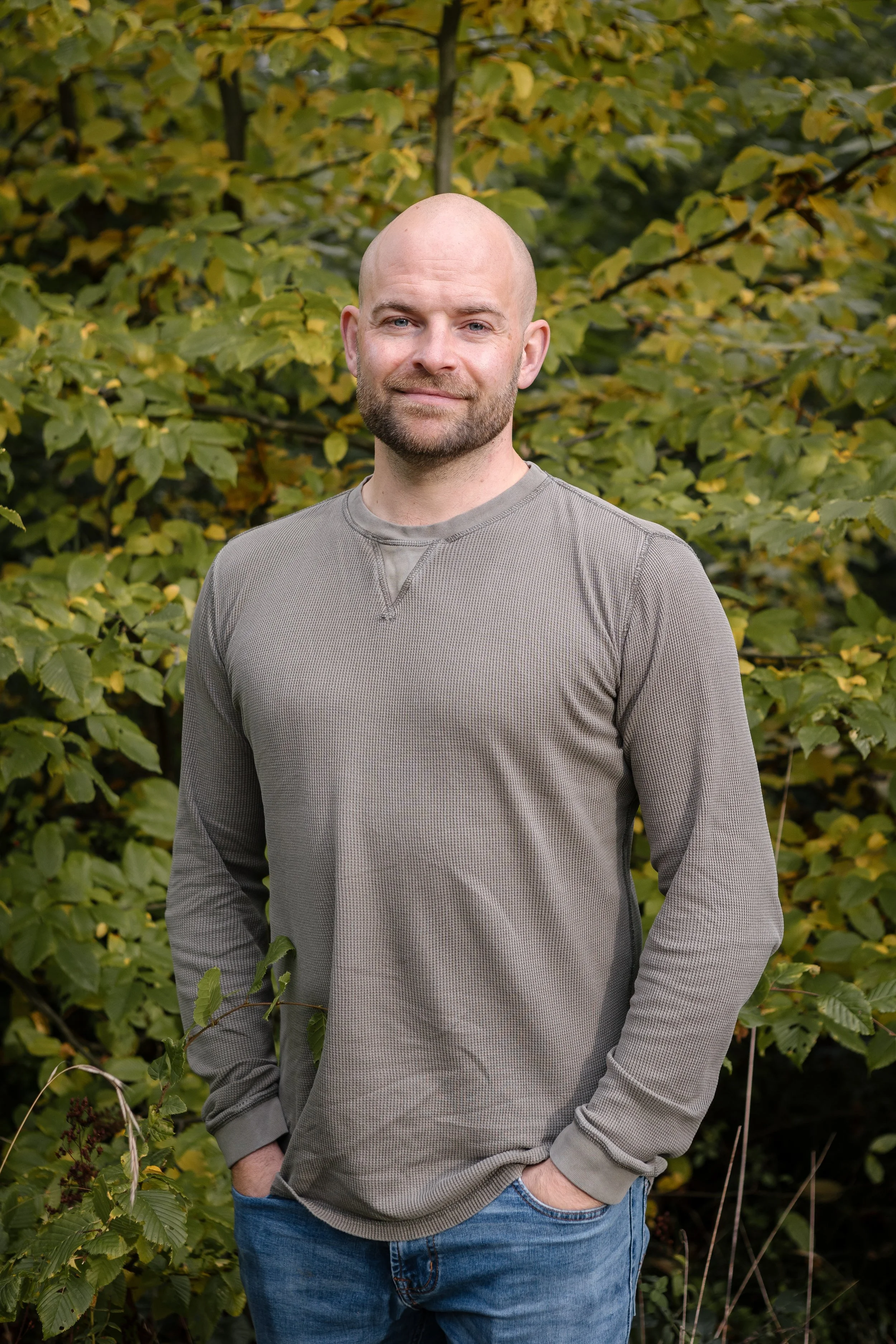
Philip Brainin, Biofarm CEO
2026: The year BNG firmly takes root
|
|
As we welcome 2026, I wanted to take a
brief moment to look back on 2025 and
share my outlook on Biofarm and the BNG
market as we embark on an exciting year
ahead.
No one can deny that the backdrop of 2025
was challenging. Uncertainty around the
BNG consultation, the implications of the
Planning and Infrastructure Bill, and the
macroeconomic impact on farming and
development, all tested the resilience of
the industry. Headwinds that should have
stifled progress.
And yet, the opposite happened. We saw a
significant shift in market maturity with
BNG becoming established as a vital
consideration within the design and
delivery of development schemes. An
outcome critical to nature, the
communities it serves, and the economy
that depends on it.
The Government's December announcement in
the House of Commons on mandatory BNG
within wider planning reforms reinforced
this. Introducing a 0.2ha minimum
threshold for developments requiring BNG
is a pragmatic step. One that empowers SME
developers to unlock smaller housing
projects while safeguarding nature
restoration at scale. The reforms signal a
commitment to delivering practical and
viable solutions that enable symbiotic
growth within construction and natural
capital markets. It will provide the
confidence needed to accelerate investment
within both sectors.
2025 proved to be a transformative year
for us at Biofarm too. 4 fantastic new
habitat banks were registered, 175 acres
of land went into nature restoration and
15 red list species were introduced back
to their natural habitat. None of this
would have been possible without your
partnership and ongoing support, thank
you.
So, what's in store for 2026? We're set to
launch 10 new habitat banks, helping
developers hit their biodiversity targets
while unlocking fair, sustainable returns
for our landowner partners. Our commitment
to collaboration remains strong and we'll
continue working with industry leaders to
shape best practice for BNG, ensuring
outcomes are measurable, reliable and
accurate. And as demand grows, expect to
see more exceptional talent joining our
team. Stay tuned, there's much more to
come.
Here's to growing together in 2026!
Philip
|
|
Hot off the press!
Avon Meadows habitat bank (BGS-171125001)
has officially opened in
Stratford-upon-Avon, bringing 16 hectares
of land into long-term nature restoration
and marking a significant step forward for
biodiversity and sustainable development
in the area. It offers developers access
to a diverse range of Biodiversity Net
Gain (BNG) units, helping to unlock
development projects while delivering
meaningful, measurable benefits for
nature.
Located within the Severn and Avon Vales
National Character Area (NCA 106), the
site supports a variety of BNG unit types,
including watercourse units. Carefully
designed ecological enhancements will
restore habitats, strengthen biodiversity,
and improve the health of the land and
river systems. The work undertaken will
contribute to natural flood management,
helping to slow water flow, reduce flood
risk, and build greater resilience for the
surrounding community.
Avon Meadows demonstrates how development
and nature recovery can work hand in hand.
By investing in this habitat bank,
developers are not only meeting BNG
requirements with confidence and
integrity-they are also supporting a
project that delivers lasting
environmental and social value for
Stratford-upon-Avon, its landscapes, and
the people who depend on them.
|
|
BNG is often associated with the
development of new homes, as the
government strives to deliver its 1.5m
target in a nature-positive way.
BNG however extends far beyond
residential, enabling growth across all
areas of construction - from commercial
(offices, retail, hospitality) and
industrial (factories, energy plants) to
civil (roads, bridges, utilities) and
institutional (schools, hospitals).
It enables England to build the modern
infrastructure it urgently needs, while
strengthening the natural systems beneath
it.
Our recent partnership with nLighten, a
digital infrastructure company that builds
and operates a network of data centres
across Europe, is one example of how
offsite BNG can support the sustainable
and responsible development of digital
infrastructure. A partnership that serves
to balance digital advancement with nature
enhancement - our tech-enabled future
being dependent on the strength of our
natural ecosystems to sustain it.
Working collaboratively, Biofarm supported
nLighten in meeting its BNG requirements
through an offsite solution aligned to the
needs of the project. This included
delivering locally appropriate BNG units,
minimising exposure to the government’s
spatial risk multiplier, and managing the
process end-to-end to reduce time and
administrative burden.
At Biofarm, we recognise that there is no
one-size-fits-all approach to BNG. We work
with our customers to deliver the outcomes
they need to grow their business.
Find out how we can help you.
|
|
Last month, we celebrated the opening of
our new habitat bank, Lesnewth, in
Cornwall (BGS-221025001).
Boasting 27 hectares of grassland,
heathland and scrub, this fully registered
habitat site is perfectly situated to
unlock development within the Cornish
Killas (NCA 154), Bodmin Moor (NCA 153),
The Lizard (NCA 157), Carnmenellis (NCA
155), West Penwith (NCA 156), Hensbarrow
(NCA 152) and The Culm (NCA 149).
Development within this region will enable
critical ecological work to be undertaken
- protecting and restoring ancient and
irreplaceable Celtic rainforest fast
depleting due to pollution, climate
change, improper land management and
invasive species.
Through careful ecological land
management, we will build scrub buffers
around 1000 year old trees, rivers and
genetically-important nationally-scarce
species, and reconnect fragmented woodland
parcels across the area to create
corridors of life that protect what’s left
and builds long term resilience back into
this globally important natural habitat.
|
|

|
Our Land Director, Chris Rowland-Smith, and Senior Ecologist, Evie Hymes, sat down with Adeyele at the Farm Business Innovation show to talk all things Biofarm and BNG in practice.
|
|
|
|
Attending the Future Homes Hub conference
was energising. The atmosphere, both in
the main sessions and the breakouts, was
charged with a sense of progress and
partnership.
Day-to-day, my focus is on unlocking
development through delivering
biodiversity net gain (BNG). So, hearing
first-hand about the broader challenges
housebuilders face, particularly around
building nature-positive homes and
developing at scale, was invaluable.
What struck me most was the collective
appreciation of nature as infrastructure.
There's a real willingness to overcome
these challenges together. But right now,
that ambition is up against some tough
misalignments in incentives.
Mortgage lenders aren't recognising the
added value of super-efficient,
nature-positive homes, or how much more
desirable homes overlooking green spaces
are to buyers. And despite record levels
of renewable energy in the grid, the high
cost of electricity means developers are
almost incentivised to stick with gas
heating. Now that's worrying.
One thing I didn't hear? Any suggestion
that BNG is a blocker to development, as
some sensationalist headlines and even
parliamentary debates have claimed. From
the presentations, discussions, and
countless conversations over coffee, it's
clear: developers want to deliver positive
outcomes. They're navigating complexity,
yes, but they're doing it willingly.
The challenge now is aligning incentives
with intention. If we can do that, the
future of housing can be both sustainable
and scalable, and nature will be at the
heart of it.
Find out how we can help you deliver BNG
responsibly.
|
|
The Common Swift (Apus apus) has
historically been a frequent summer
visitor, migrating from Africa to nest
across our British cities and towns. Since
1995 however, their population has
plummeted drastically. For every ten
swifts seen in the skies in the mid-1990s,
there are now only about three.
The decline of swifts matters - for
ecological, environmental, and cultural
reasons. Their disappearing numbers serve
as a significant indicator of broader
environmental distress, particularly
concerning insect populations and habitat
loss.
Swifts are now classified as a Red List
species - the highest conservation
priority in the UK. While BNG habitat
sites through developer investment are
helping to create an environment where
species can once again thrive, there are
things you can do to help invite swifts
back into your community.
By installing a swift brick or box in your
home, you can provide these fabulous birds
with safe nesting homes for breeding.
|
|
|